The museum in the desert
the rosenberg museum from 2021 onwards!
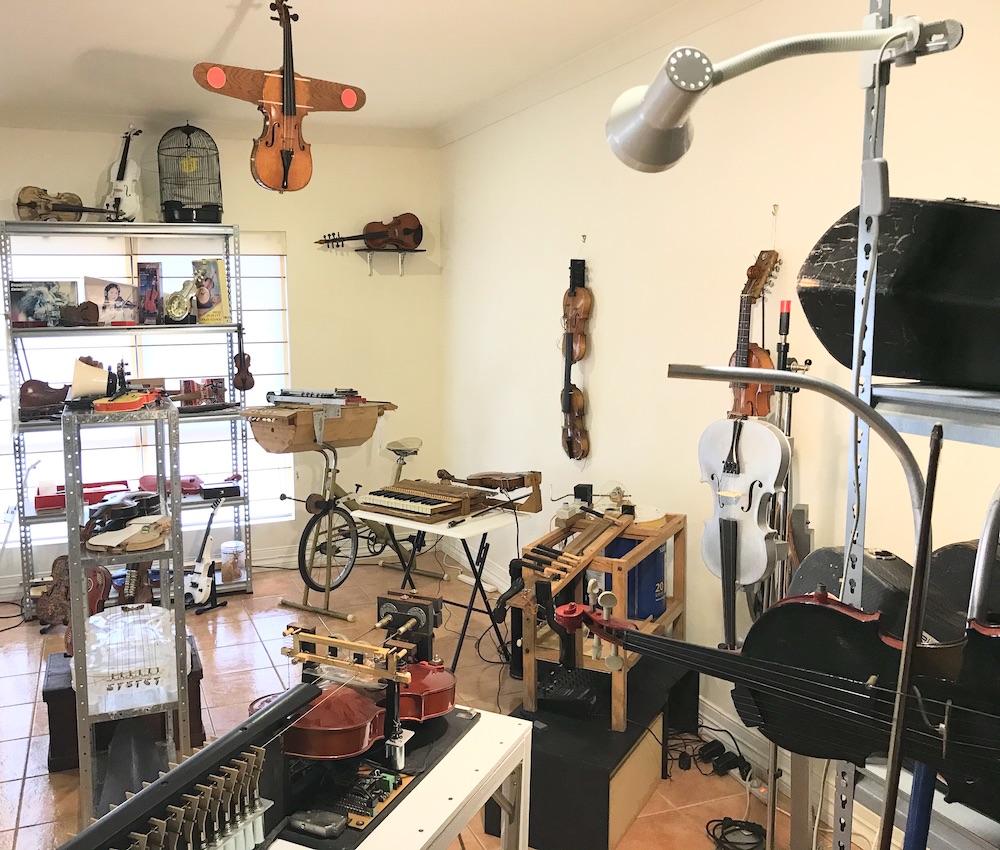
This, the first time in my career wherewith The Rosenberg Museum has found a permanent home.
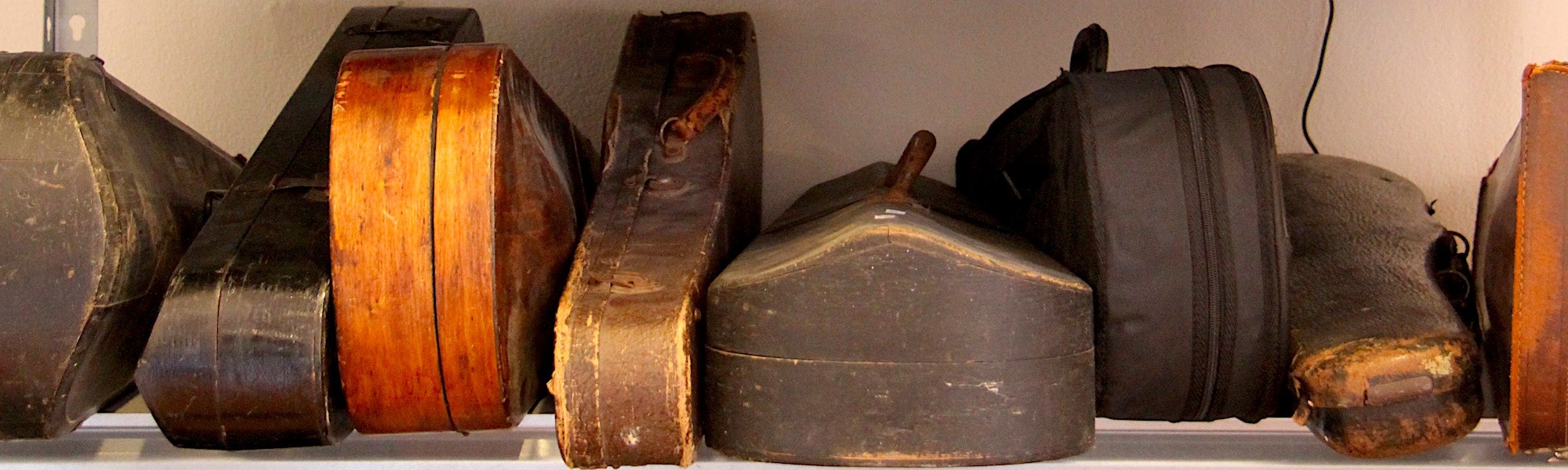
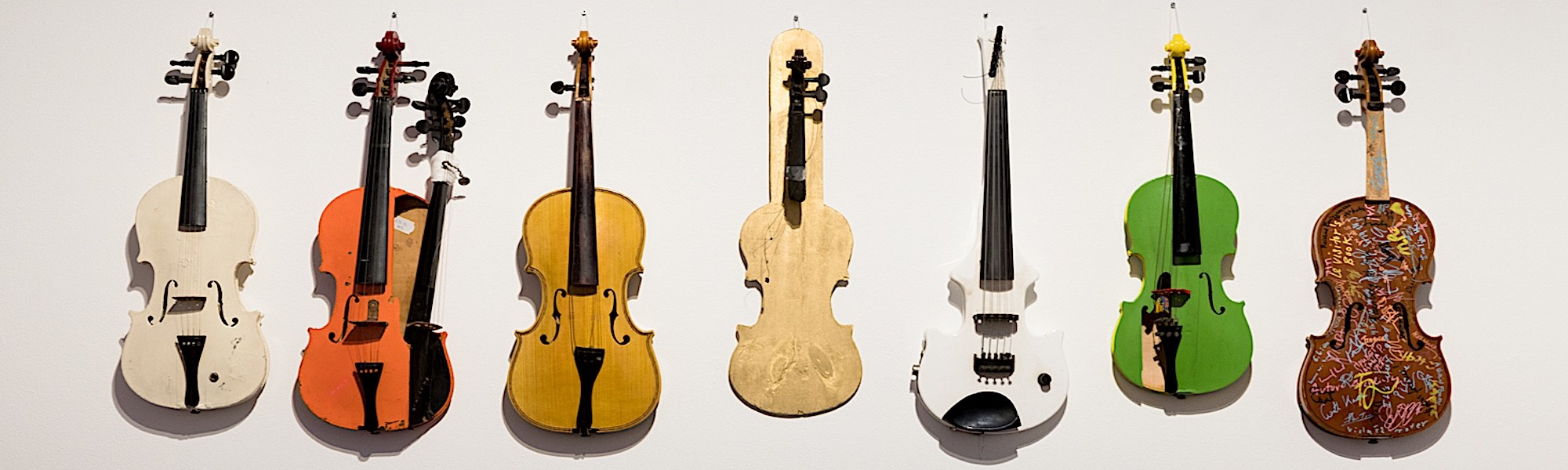
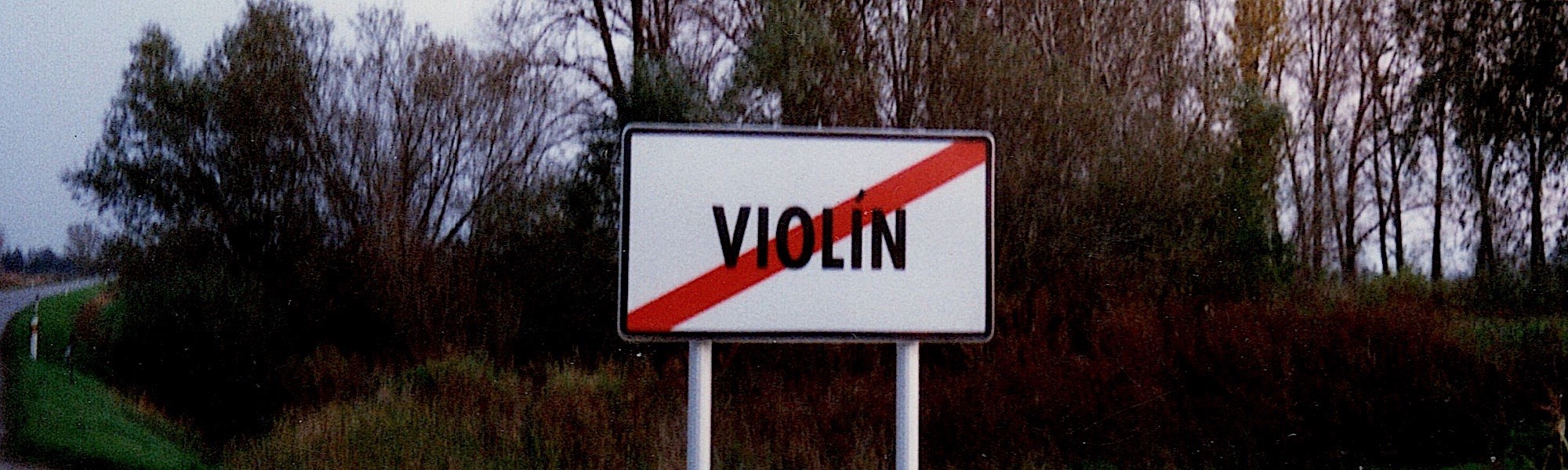
Previously the instruments and violin iconography have inhabited cardboard boxes, allowed out for public perusing in the occasional exhibition or festival. Avid collectors of the sonically 'other' will have noticed a trajectory that includes residencies in the town of Violin in Slovakia, Berlin, Prague, Vienna, Rotterdam, Sydney, and Melbourne. Alice Springs/Mparntwe may well be the final resting place (being situated next to the USA’s largest overseas and global spy base means we are likely the first on someone’s list to disappear in a puff of intercontinental ballistic smoke).
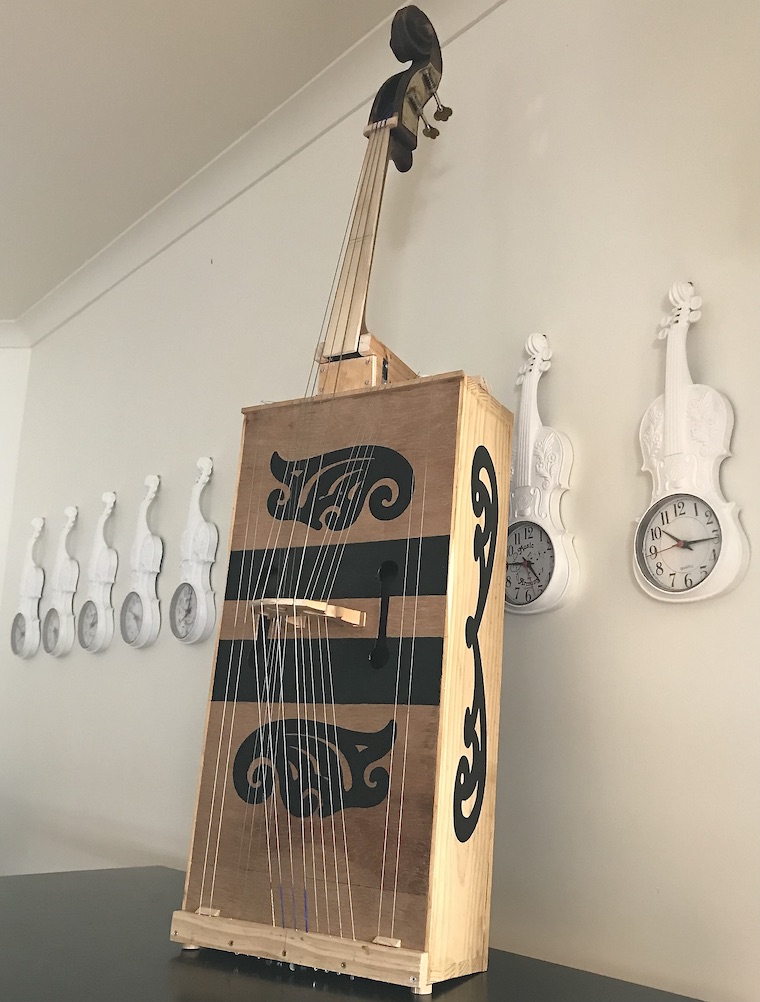
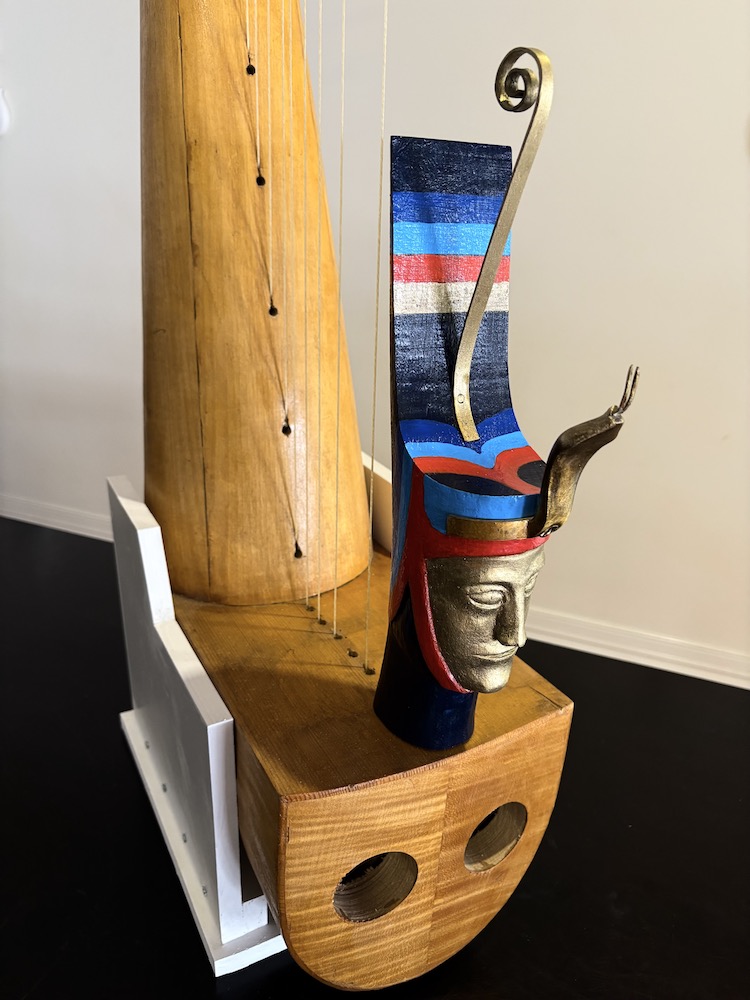
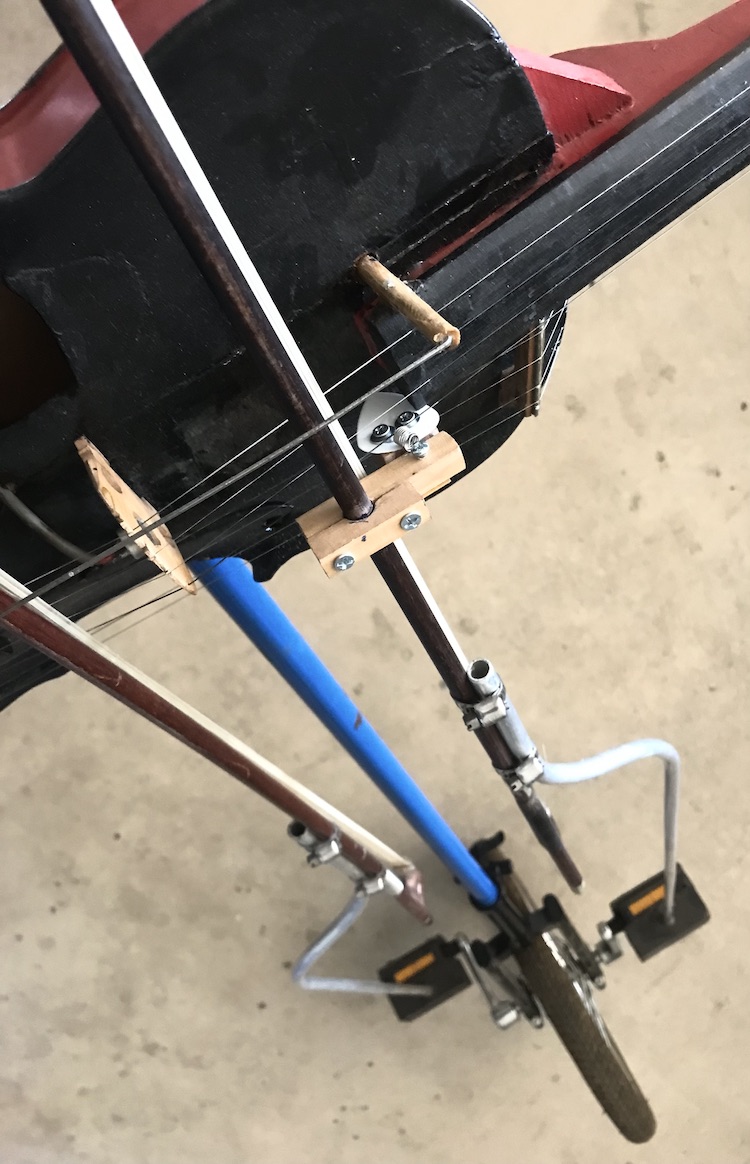
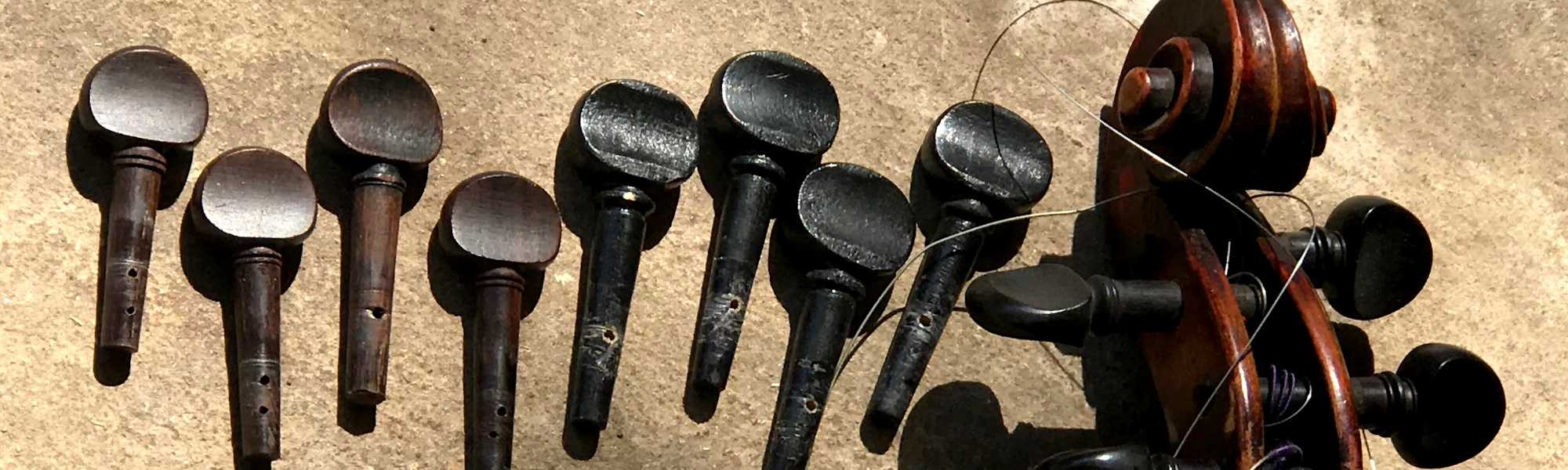
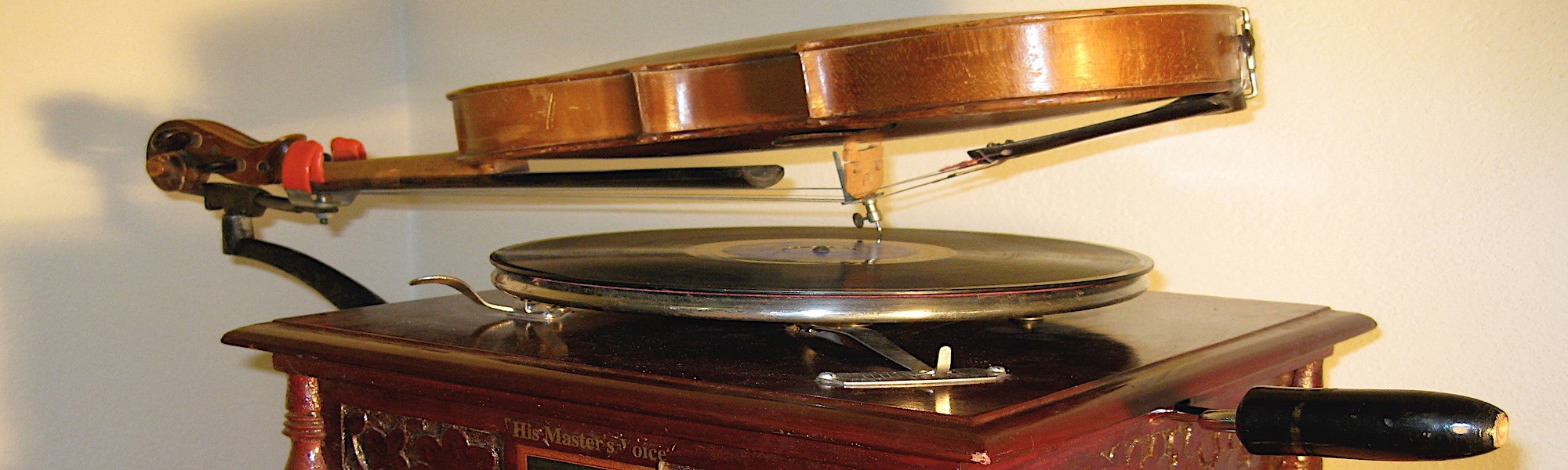
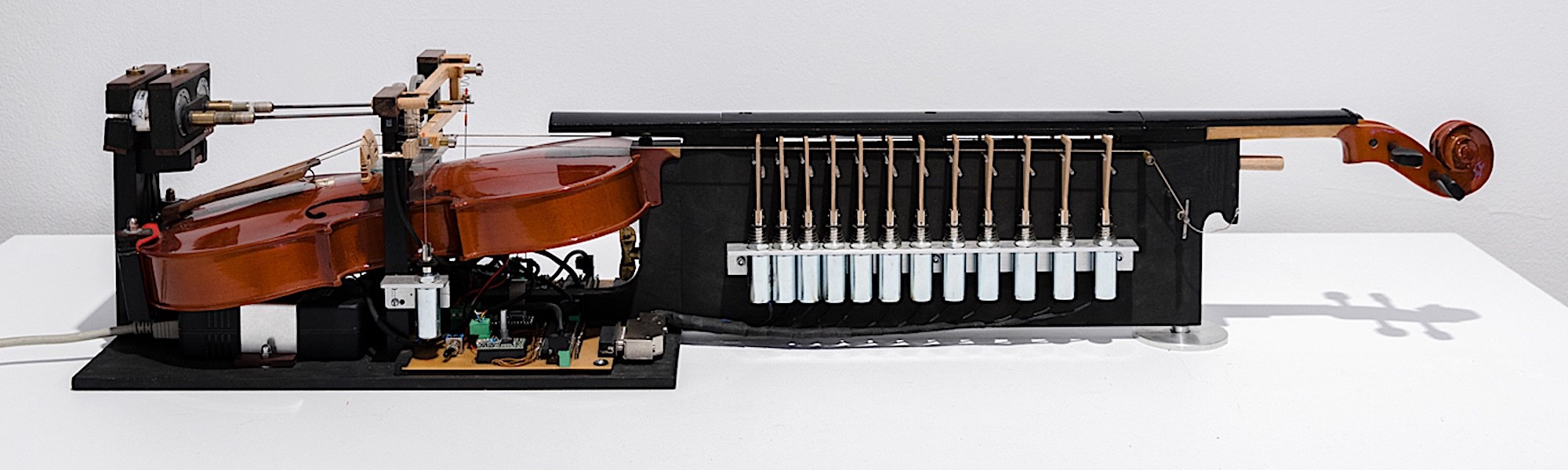
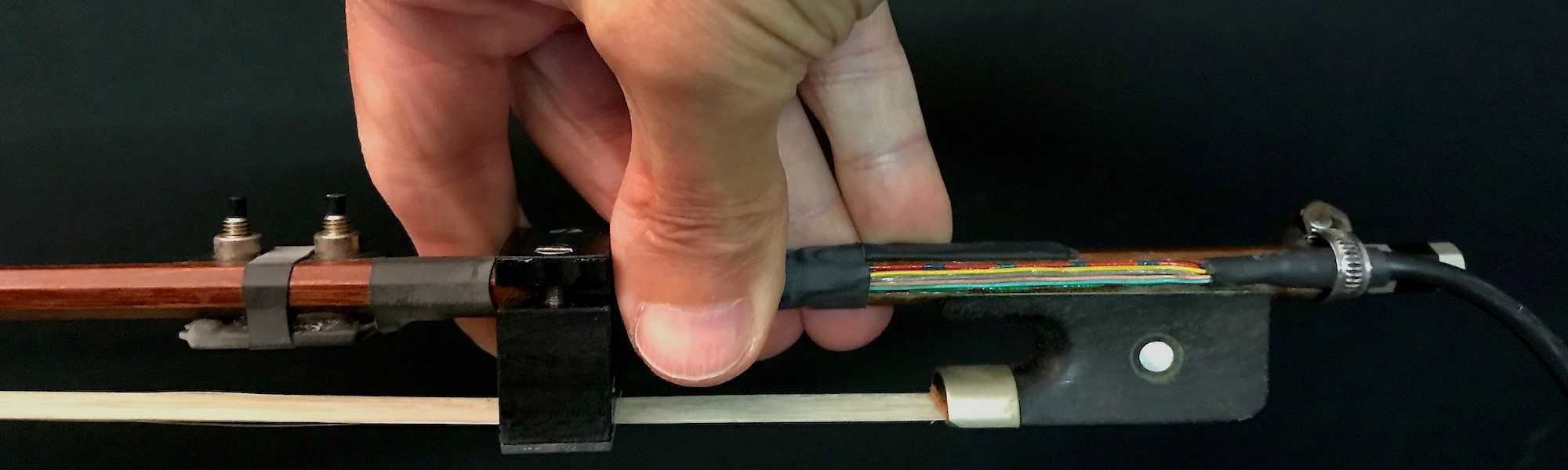
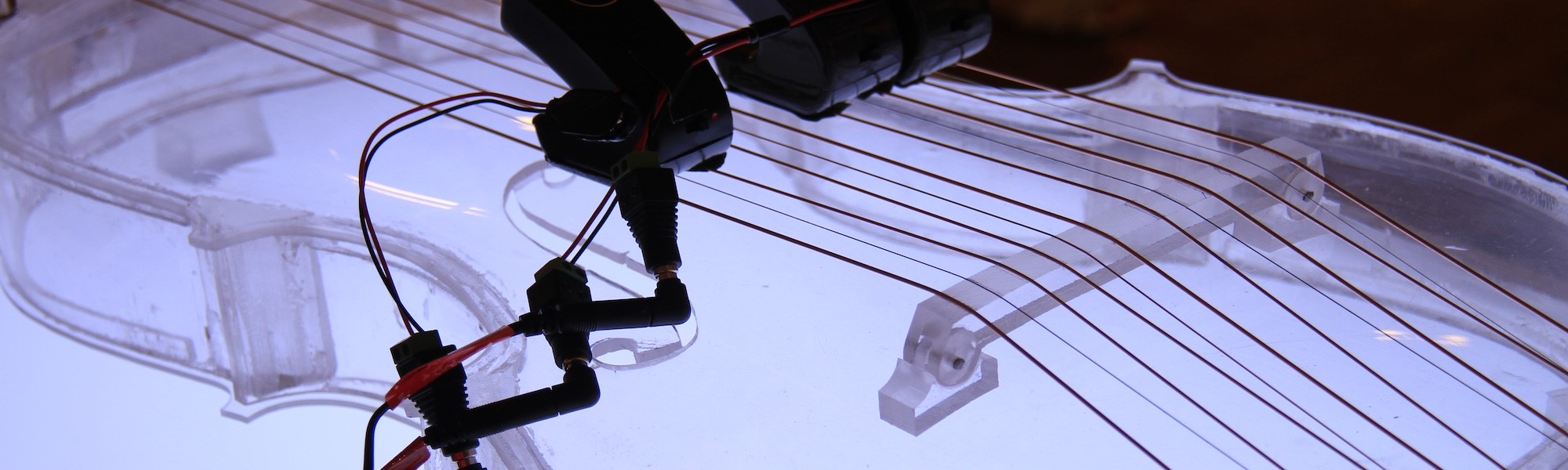
The instrument building at the museum continues and I have been able to press on with temporarily abandoned projects from previous decades such as Aeolian instruments, wheel powered automatons and robots - but in the new environmental context of a desert. To be precise, I live at the nexus of three deserts.

I have also started to reassess earlier influences indicated by the Islamic collection and other adjacent music traditions and obscurities such as the Baryton (see below), the mapping of Australian terrain, the bow as weapon and instigator, and approaches to duality via early compositions like Bits in Boats.
Chikari 1975. Back then, via United Music Publishers (London), I met Riki Gerardy. He had discovered a Baryton hidden away in a museum and had determined to get a copy made, thus enabling him to play the 123 Baryton Trios that Josef Haydn had composed. This discovery of a multi-stringed instrument, along with the London exhibition of Islamic instruments (a beneficiary of the World oil crisis) became the main inspirations informing all my future instrumental hacks and inventions...and prompted me to write a piece for Riki on the spot. I have now updated this early attempt and the amazing Laura Vaughan, Australia’s only Baryton owner and player (currently), has taken it on. Here is the new version of Chikari.
Chikari 1975 Version 2 performed by Laura Vaughan in 2025. This baryton was made by Henner Harders, and is a copy of an original instrument made by Daniel Agnatius Stadlmann, Vienna, 1732.
Bits in Boats 1978 started out originally as the composition ‘Little Bits’ in 1978 for the Sydney Conservatorium Big Band with a commission from Bill Motzing (the then head of Jazz Studies). It’s fair to say that the members of the band had a certain reluctance to perform a 12 tone piece...but Bill insisted. The band was split up into duos, all the duo parts were written out, except for violin and percussion which were improvised freely.
Bits in Boats 1978 has been reconstructed as a virtual artefact with very generous help from Lamorna Nightingale (flutes), James Nightingale (saxophones), Jason Noble (clarinets), Tristram Williams (trumpets), Benjamin Marks (trombones), Jon Rose (piano & guitar).
The Australian Art Ensemble was interested but the Melbourne Festival was not - so that idea eventually died a death. The most radical thing I could think of for a reconstructed piece featuring improvised violin playing, was to remove the violin, so I have.
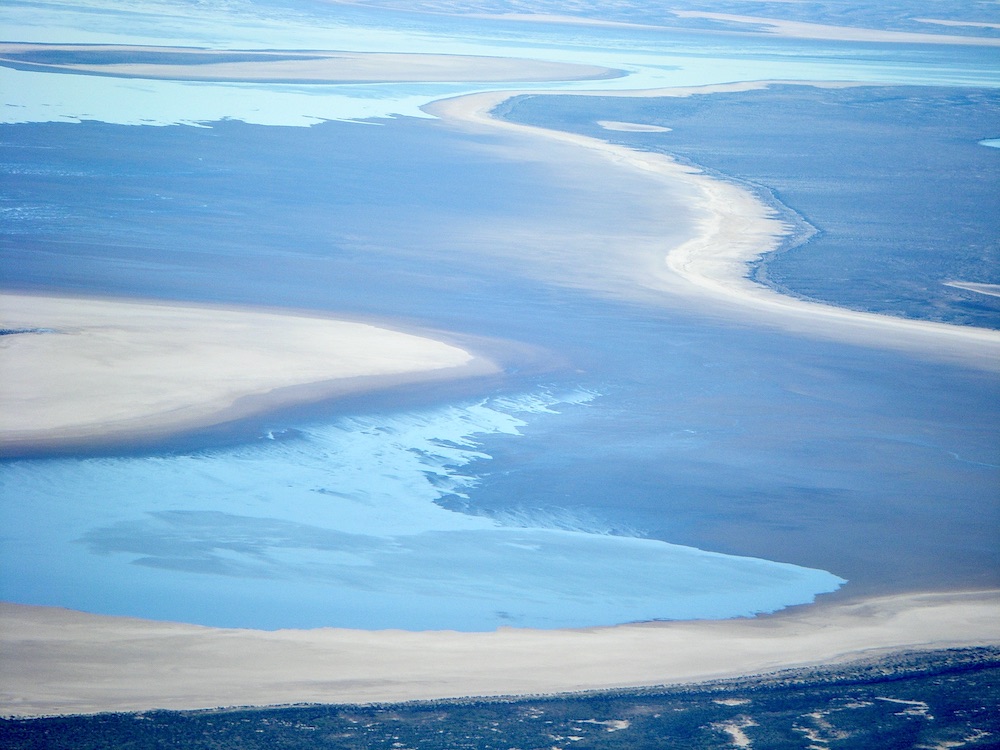
Some years later in 2013, I resurrected ‘Little Bits’ into ‘Bits for Boats’ and set about trying to get it performed in those paddle boats on Albert Park, Melbourne in a tribute to Percy Grainger (who invented the notion of ‘free music’ on that very water at the end of the 19th century). The idea was to have two musicians playing the same or related instruments in each boat and they would paddle into new positions around the lake on set cues. 8 boats in all (with an electric guitar and electric keyboard in one boat, the violinist and percussionist in another. Each boat would try and keep the tempo but allow for 'natural drift' as they moved across the lake. The scoring was elementary and could be read at sight by any good musician. It also allowed for peripheral awareness in case of an unexpected boat collision or freak weather event. A performance of Bits in Boats on Kati Thanda (Lake Eyre), when in flood, is on the bucket list.
corrugations
Can you create new music in a desert, 1,500 kilometres distant from any sizeable town, and bring an audience to it? The answer to that question lies in the Corrugations concert series that we organise in our back yard. Getting an audience for any live music these days (outside of stadium pop) is like getting blood out of stone... but we survive.


The human condition is at a crossroads. We find ourselves in a place where the loudest lie becomes the truth, and the advertised dreck becomes a masterpiece. Jon Rose has approached these and many other related issues with honesty, imagination, wit, intelligence and compassion. We should all listen to his voice, it is a cry of freedom and sanity that a world gone MAD sorely needs.
John Zorn, New York City, December 2012
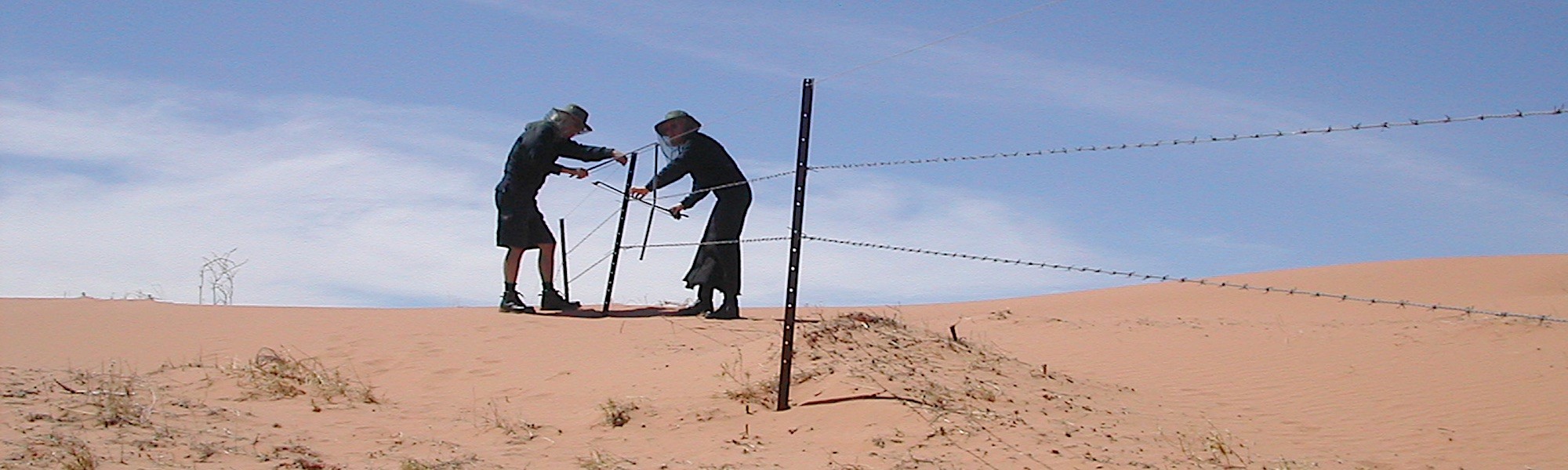
Jon Rose is the major philosopher and cosmologist in a violin-centric world. Through his work he has fashioned totally new ways for violinists to think of their bows and their instruments. He has given listeners freshly made dimensions to contemplate. When I think of Jon, I'm reminded of Leonardo. He has fearlessly and fancifully explored all the currently known parameters of the violin and discovered many previously hidden ones as well. Jon has led the way in using the violin as a tool to explore life. If all he had ever done was to give us the sounds and the image of the violinist bowing barbed wire fences throughout the world, it should be said that his work has placed the violin front and centre as a force for renewal and regeneration in a tired world.
David Harrington, Kronos Quartet, San Francisco, 8 March 2012
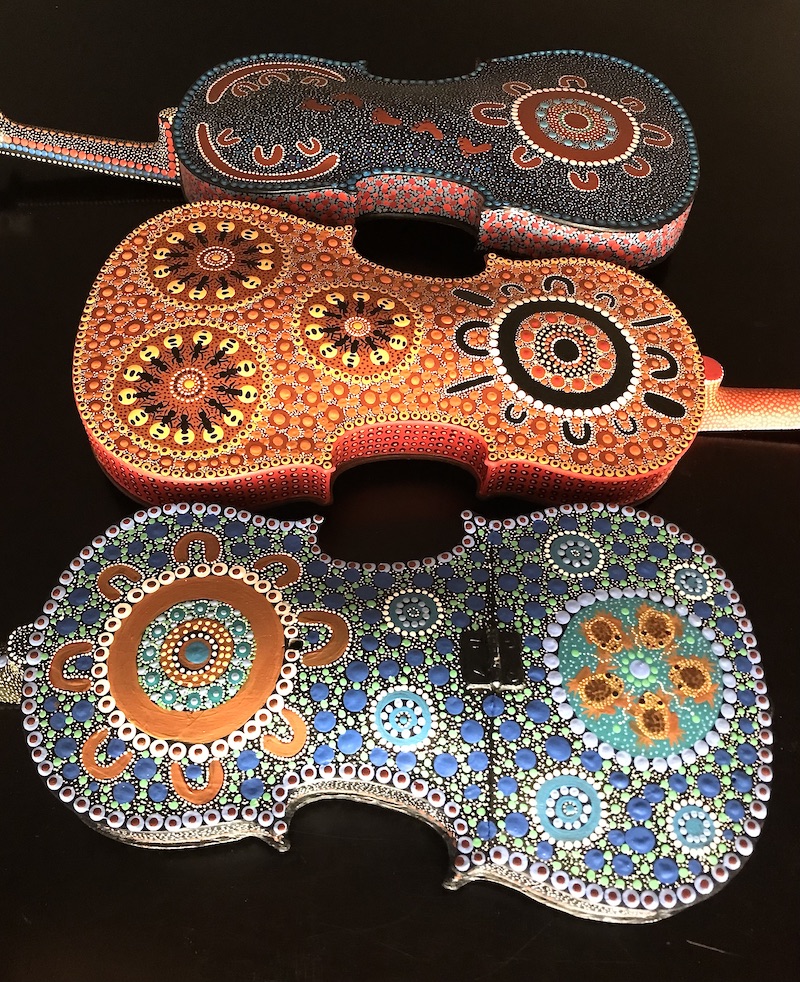
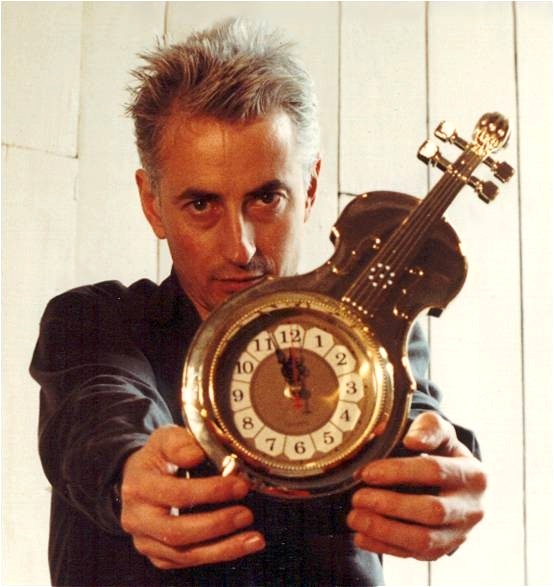
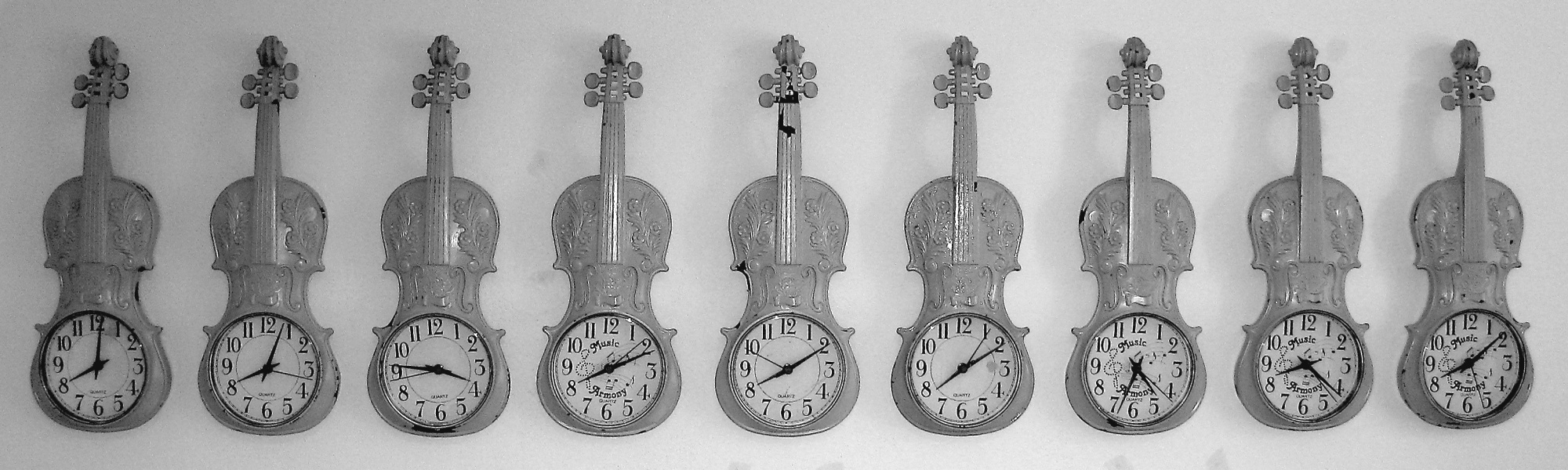
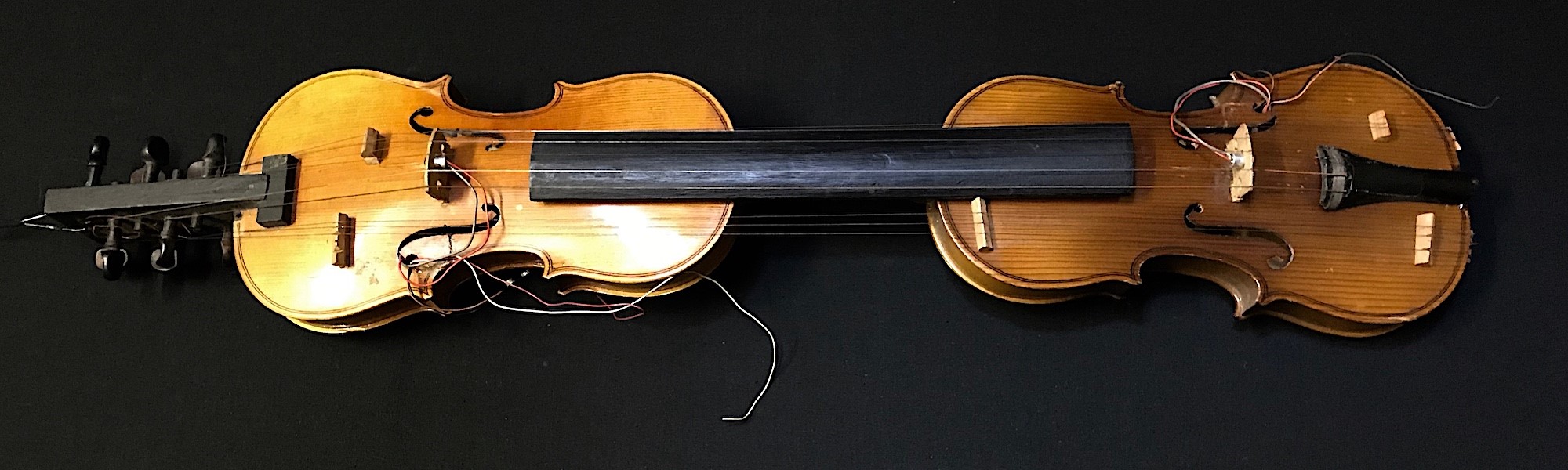
The Rosenberg Museum is an obsessive monument to the violin in all its guises; as a musical instrument, as a visual and sonic object, as an iconic cultural artefact, as a symbol of taste, class and power. This institution resists any convenient definition: It could be seen as either a fiction built out of facts, or an actualisation of the manifold virtual possibilities of a string instrument, and though it once nominally resided in the town of Violin, Slovakia, it really inhabits a conceptual rather than a physical space. Fundamentally, the Rosenberg Museum is an expression of its creator Jon Rose's idea of the violin as an unfinished experiment, a counterbalance to conventional attitudes towards what a violin should look and sound like.
Erkki Veltheim, violinist, Composer, The Museum Goes Live Catalogue 2016